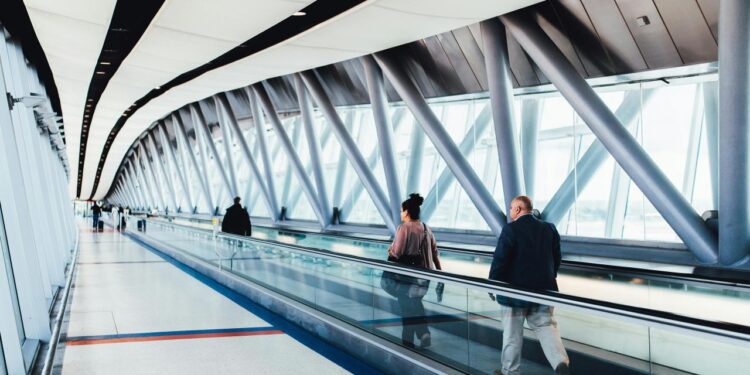

The decision to embark on a journey of solo travel represents a monumental step toward personal growth, self-discovery, and unparalleled freedom, offering an invaluable opportunity for women to step entirely outside their comfort zones, define their own itineraries, and engage with the world on their own terms, unburdened by the compromises inherent in group travel.
This profoundly empowering experience, however, necessitates a sharp, proactive awareness of the unique safety and security considerations that single female travelers face globally, demanding a calculated approach that blends spontaneity with meticulous planning, ensuring that the pursuit of adventure never overshadows the non-negotiable priority of personal well-being.
Successfully navigating diverse cultural landscapes, foreign transit systems, and unfamiliar accommodations requires a robust combination of situational awareness, strategic preparation, and the confident projection of self-reliance, transforming potential vulnerabilities into strengths through knowledge and preparedness, rather than succumbing to fear or unnecessary isolation.
Therefore, mastering the essential solo female travel safety tips is not about limiting experiences or fostering paranoia, but about unlocking the confidence needed to move freely and intentionally across borders, recognizing that informed caution is the key that opens the door to truly rewarding, independent exploration, allowing the traveler to fully embrace the wonder of the world while maintaining their security and peace of mind.
Pillar 1: Foundational Pre-Trip Planning and Documentation
The essential homework required before stepping out the door.
A. Digital and Physical Documentation
Securing vital records and contact information.
-
Cloud and Physical Copies: Always keep digital scans of your passport, visa, driver’s license, and important medical prescriptions stored securely in a password-protected cloud drive (like Google Drive or Dropbox) and also carry a physical set of photocopies separate from your main documents.
-
Emergency Contact Sheet: Create a detailed emergency contact sheet including immediate family numbers, the address and phone number of your country’s embassy or consulate in the destination, and your travel insurance details.
-
Share the Itinerary: Share your detailed itinerary, including flight numbers and confirmed accommodation addresses, with at least two trusted individuals back home, and commit to checking in regularly (daily or every few days).
B. Travel Insurance and Health Prep
Covering the unexpected scenarios abroad.
-
Comprehensive Coverage: Invest in comprehensive travel insurance that specifically covers emergency medical treatment, emergency evacuation, and personal liability, ensuring you are not financially ruined by an unexpected crisis.
-
Medical Alert: If you have severe allergies or specific medical conditions, consider wearing a medical alert bracelet or tag that details your condition and necessary treatment in the local language, or carry a translation card.
-
Local Pharmacy Research: Before arrival, research the location of reputable pharmacies or hospitals near your primary accommodation, noting their operating hours and emergency procedures.
C. Financial Security Strategy
Protecting funds and accessing cash safely.
-
Multi-Card Strategy: Never rely on a single bank card; carry at least two different debit/credit cards from separate banks, storing them in different, secure locations (e.g., one in your wallet, one locked in your luggage).
-
Low-Tech Cash Solution: Use a non-obvious, low-tech way to carry small amounts of backup cash (e.g., a zippered pocket sewn into a jacket lining or a hidden slot in a shoe), minimizing reliance on external devices.
-
Set Travel Alerts: Notify your bank of your travel dates and destination countries to prevent them from freezing your cards due to what they might perceive as suspicious international activity.
Pillar 2: Mastering Situational Awareness and Presence
The psychological and behavioral skills for staying safe.
A. The Confidence Factor
Projecting assurance and competence.
-
Walk with Purpose: Always walk with an appearance of confidence and purpose, even if you are entirely lost; potential harassers often target individuals who look confused, distracted, or easily overwhelmed.
-
Avoid Excessive Exposure: While using your phone for navigation, step inside a doorway or a reputable shopto check the map rather than stopping in the middle of a busy, anonymous street, minimizing distraction time.
-
Trust Your Gut: The most vital safety tool is intuition; if a situation, person, or location feels wrong or makes you uncomfortable, leave immediately without questioning the logic—your subconscious often detects danger before your conscious mind does.
B. Managing Distraction
Minimizing vulnerability in public spaces.
-
No High-Value Display: Avoid conspicuously displaying expensive items like high-end cameras, designer bags, or large amounts of cash in public, as this immediately makes you a target for opportunistic theft.
-
Headphones Off: When navigating busy public areas, crowded markets, or transit stations, keep one or both headphones off, ensuring you can hear environmental cues, sudden movements, or conversations around you.
-
Mind Your Drink: Never leave a drink unattended in a bar, restaurant, or social setting, and always accept drinks directly from the bartender or server, mitigating the risk of drink tampering.
C. Blending In (Cultural Sensitivity)
Respecting local norms and minimizing attention.
-
Dress Code Awareness: Research and adhere to local dress codes, particularly regarding modesty in religious sites or conservative areas, ensuring your attire respects cultural norms and avoids drawing unwanted, negative attention.
-
Language Basics: Learn and use a few basic phrases in the local language (e.g., “Hello,” “Thank you,” “Please,” “Where is the police?”) to facilitate positive interactions and convey respect.
-
Observe Local Interaction: Pay close attention to how local women interact in public—their body language, their mode of transport, and their public behavior—and mirror that behavior to integrate smoothly.
Pillar 3: Accommodation and Transportation Strategies

Securing safe sleeping arrangements and navigating travel.
A. Selecting Safe Accommodation
Choosing secure places to stay.
-
Review the Reviews: Prioritize booking accommodations (hotels, hostels, Airbnbs) that have a high volume of recent, positive reviews specifically mentioning solo female traveler safety, cleanliness, and security.
-
Ground Floor Avoidance: Request a room above the ground floor when staying in hotels or guesthouses, and ensure the room has a secondary security lock (deadbolt, chain, or portable door lock).
-
Location Vetting: Before booking, use street view on maps to visually check the immediate vicinity of the accommodation—is it well-lit? Is it near public transport? Does it look active or desolate after dark?
B. Public Transportation Safety
Navigating trains, buses, and subways confidently.
-
Pre-Purchase and Research: Pre-purchase bus or train tickets and research the exact route, transfer points, and end destination before boarding, eliminating the need to look confused or struggle with payment in transit.
-
Preferred Seating: On trains or buses, choose a seat near the driver, conductor, or in a busy area (like the family carriage, if available), and avoid sitting alone in an empty or isolated carriage, especially at night.
-
Nighttime Rideshare: When using rideshare apps after dark, always confirm the license plate and driver’s name before entering the car, and utilize the in-app feature to share your live location with a friend or family member.
C. Dealing with Taxis and Unlicensed Transport
Minimizing risk in private vehicles.
-
Official Services Only: Whenever possible, use official, reputable taxi companies or well-known international rideshare services (like Uber or Bolt) rather than unlicensed, unmarked vehicles, particularly from airports or train stations.
-
Fixed Price Negotiation: If using a local taxi without a meter, agree upon the exact fare before starting the journey, and have the exact change available to prevent potential disputes or overcharging.
-
Navigation Check: Always track your route on a separate map application (like Google Maps) while in the taxi to ensure the driver is taking the most direct and logical route to your destination.
Pillar 4: Managing Social Interactions and Emergencies
Handling unwanted attention and knowing how to seek help.
A. Handling Unwanted Attention
De-escalation tactics and clear boundaries.
-
Be Direct and Firm: If approached or harassed, use a firm, direct verbal refusal (“No, thank you,” “Please leave me alone”) without being overly aggressive or getting emotionally drawn into a conversation.
-
Use the “Husband” Tactic: In cultures where a woman being alone is unusual, a quick, polite lie about meeting your husband, brother, or friend in five minutes can sometimes be the simplest and fastest way to dismiss unwanted male attention.
-
Seek Public Space: If feeling followed or targeted, immediately change direction and head into the nearest crowded, public space (a bank, a busy restaurant, a department store) and alert staff to your situation.
B. Digital Safety and Social Media
Protecting privacy while sharing experiences.
-
Delay Posting: Avoid posting live updates or photos of your exact current location on social media; delay detailed posts until you have left the area or the accommodation, preventing strangers from tracking your movements in real-time.
-
VPN Use: Utilize a Virtual Private Network (VPN) when connecting to public Wi-Fi networks (hotels, cafes) to encrypt your data and protect your device from potential snoopers or hackers attempting to steal sensitive information.
-
Disable Geo-Tagging: Disable automatic Geo-Tagging on photos you plan to upload, ensuring location metadata is not accidentally shared with the world.
C. Emergency Procedures and Local Resources
Knowing who to call and what to do when things go wrong.
-
Local Emergency Numbers: Know the local equivalent of 911/999 (Police, Fire, Ambulance) in every country you visit, keeping the numbers programmed into your phone’s quick dial feature.
-
Embassy/Consulate: If your passport is stolen or you face a serious legal or medical emergency, immediately contact your country’s local embassy or consulate; they are equipped to assist citizens in distress.
-
Non-Verbal Signals: Familiarize yourself with non-verbal international distress signals (e.g., the “signal for help” hand gesture), which can be used discreetly to alert strangers to a personal emergency situation.
Pillar 5: Essential Gear and Tools for Security
Physical items that enhance preparedness and safety.
A. Personal Security Devices
Tools for defense and signaling.
-
Portable Door Lock: Carry a lightweight, portable door lock or door stop alarm that can be installed on hotel or hostel room doors, providing an extra layer of security beyond the standard lock.
-
Safety Whistle/Alarm: Carry a loud personal safety alarm or whistle that can be easily activated; the unexpected, loud noise can often startle an attacker and draw immediate public attention to the situation.
-
Flashlight/Torch: A small, powerful LED flashlight is essential for navigating dark streets, finding keyholes, and can also be momentarily used to disorient a potential threat.
B. Bag Security and Anti-Theft Gear
Protecting your valuables in transit.
-
Anti-Theft Backpack: Consider investing in a slash-proof, anti-theft backpack with lockable zippers and hidden pockets, reducing the risk of opportunistic pickpocketing or cut-and-run theft in crowded areas.
-
Cable Locks: Use small cable locks or TSA-approved luggage locks to secure the zippers of your main bag and to temporarily attach your bag to a fixed object (like a chair or luggage rack) when dining or waiting.
-
Cross-Body Bag: When out and about, carry a sturdy cross-body bag worn on the front of your body, keeping essential items (phone, wallet, passport) constantly within your line of sight and reach.
C. Offline Technology Tools
Ensuring access to information without connectivity.
-
Offline Maps: Before leaving Wi-Fi, download the maps for your destination city or region on your phone (using Google Maps or similar apps), ensuring you can access navigation and location data even without mobile service.
-
Translation Apps: Download and utilize offline language translation apps (like Google Translate or DeepL) to communicate basic needs and directions when an internet connection is unavailable.
-
E-Reader Security: Store books and entertainment digitally on an e-reader or tablet; this avoids making you look like an obvious, distracted tourist carrying a large guidebook and allows you to read discreetly on public transport.
Conclusion: Empowered, Prepared, and Free

Solo female travel represents a profound act of personal freedom and bravery, but the true measure of its success lies in the meticulous, proactive preparation that ensures the traveler remains empowered, safe, and entirely in control throughout the entire adventure.
Safety is not about fear, but about embracing disciplined, constant situational awareness, confidently projecting self-reliance in all interactions, and recognizing that an alert mind is the most reliable, effective tool for personal security available.
Pre-trip planning, including securing comprehensive travel insurance, establishing a multi-card financial strategy, and sharing a detailed itinerary with trusted contacts, transforms potential crises into manageable inconveniences.
Mastering the environment requires strategic choices in accommodation—avoiding ground floors and using additional portable door locks—and utilizing official, verified transport services, always tracking the route on a separate map application to ensure navigational accuracy.
The effective traveler embraces technology wisely, relying on offline map downloads and VPNs for data security, while also prioritizing low-tech gear like personal safety alarms and anti-theft bags that deter opportunistic crime.
Ultimately, by fusing cultural respect with confident assertion and meticulous technical preparation, the solo female traveler transforms the journey into an authentic, deeply rewarding experience, achieving independence and profound self-discovery while securely navigating the world on her own terms.