
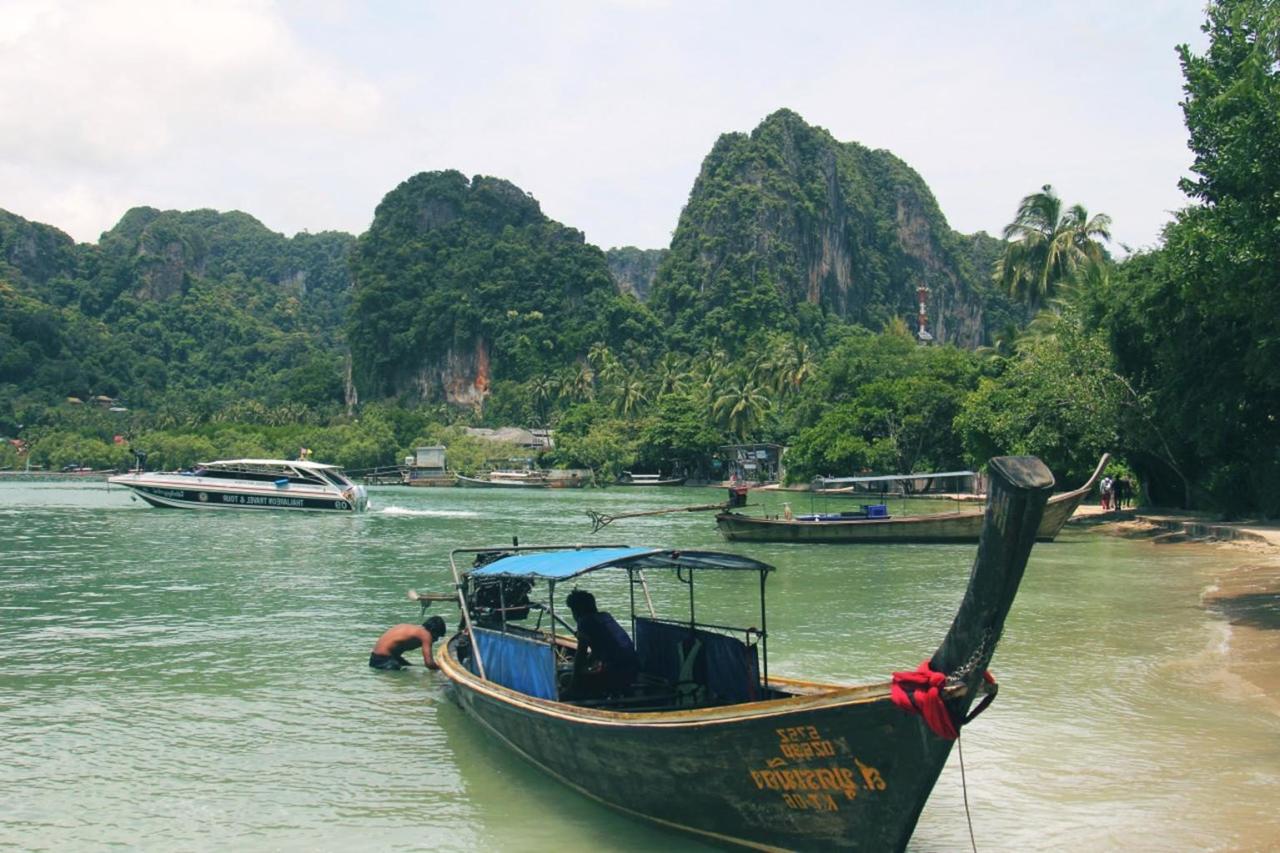
In an era defined by increasing environmental consciousness, escalating global climate challenges, and a growing societal demand for corporate and personal accountability, the travel and tourism industry—a sector that heavily relies on the preservation of pristine natural landscapes and the cultural authenticity of local communities—can no longer operate under the historical model of high-impact, resource-intensive mass movement without facing intense ethical scrutiny and serious long-term consequences.
The traditional forms of tourism, which often prioritize rapid commercial gain and unchecked expansion, frequently lead to damaging side effects, including the irreversible degradation of fragile ecosystems, the displacement of indigenous populations, overwhelming waste generation in sensitive areas, and a phenomenon known as “leakage,” where the majority of tourist revenue fails to benefit the local host community.
Recognizing this unsustainable trajectory, a profound shift is now underway, driven by conscious consumers and forward-thinking industry leaders who are actively embracing Sustainable and Eco-Tourism as not just a niche market, but as the essential, ethical framework for all future global exploration, demanding that every journey be planned, executed, and experienced with meticulous attention to minimizing environmental footprint, maximizing genuine socio-economic benefits for local people, and ensuring the long-term vitality of the destination itself.
This critical transition reframes the act of travel from passive consumption to active stewardship, empowering every traveler to become a positive force for preservation and cultural exchange rather than an agent of environmental decline.
Pillar 1: Defining Sustainable and Eco-Tourism
Understanding the core principles and differences between these ethical travel concepts.
A. The Definition of Sustainable Tourism
Balancing long-term impact across three pillars.
-
Triple Bottom Line: Sustainable tourism operates on the “triple bottom line”—balancing environmental integrity, economic viability, and socio-cultural equity for the long term.
-
Minimizing Impact: The primary goal is to minimize negative environmental and socio-cultural impacts while preserving the natural and historical heritage of the destination for future generations.
-
Holistic View: It applies to all forms of tourism (mass, independent, luxury, budget) and focuses on the broad management of the entire industry—hotels, airlines, and local governance—demanding responsible operation across the board.
B. The Definition of Ecotourism
Focusing specifically on natural, sensitive areas.
-
Nature-Based: Ecotourism is a specific subset of sustainable tourism that is always nature-based, focusing on traveling to fragile, pristine, and often protected natural areas.
-
Education and Conservation: Its core objective is to educate the traveler about the local environment and its conservation needs, directly channeling financial benefits back into conservation efforts and local communities.
-
Low Impact: Ecotourism requires low-impact, minimal footprint activities that do not disturb wildlife or natural processes, prioritizing observation and learning over consumption or intervention.
C. Ethical Tourism Principles
The moral obligations of the responsible traveler.
-
Respect for Culture: Travelers must commit to respecting local customs, traditions, and sacred sites, asking permission before photographing people, and learning basic phrases to demonstrate genuine courtesy.
-
Fair Trade Practices: Actively seek out and support businesses that employ fair trade practices, ensuring employees receive fair wages and work in safe conditions, preventing economic exploitation.
-
Waste Management: Commit to a “leave no trace” policy, minimizing the generation of waste, avoiding the purchase of single-use plastics, and correctly disposing of refuse according to local rules.
Pillar 2: Environmental Responsibility in Travel
Practical steps to reduce the travel footprint.
A. Carbon Footprint Reduction
Addressing the impact of transportation.
-
Flight Choices: Where possible, choose direct, non-stop flights, as take-offs and landings consume the most fuel, and when booking, look for airlines that actively invest in carbon offsetting schemes or utilize newer, more fuel-efficient aircraft.
-
Slow Travel: Embrace “slow travel” by prioritizing long-distance trains, buses, or ferries over multiple short-haul flights; this significantly reduces the overall carbon output and allows for deeper immersion in the landscape.
-
Carbon Offsetting (As Last Resort): While not a solution, when flying is unavoidable, invest in verifiable, reputable carbon offsetting programs (like planting trees or renewable energy projects) to mitigate the environmental debt incurred.
B. Accommodation Impact
Choosing low-impact lodging.
-
Certified Eco-Lodges: Prioritize staying in officially certified eco-lodges or hotels that have verifiable sustainability practices, such as solar power, rainwater harvesting, composting programs, and responsible sourcing of food.
-
Minimize Resource Use: Practice active conservation within your lodging by reusing towels and linens (signaling “no thanks” to daily washing), turning off lights and air conditioning when leaving the room, and taking shorter showers.
-
Avoid Chain Resorts: Whenever possible, avoid large, all-inclusive international chain resorts that often drain local resources (water, power) and contribute less revenue directly to the local economy than smaller, locally owned establishments.
C. Wildlife and Nature Interaction
Ethical engagement with the natural world.
-
Certified Tours Only: Only participate in wildlife tours run by certified, ethical organizations that maintain a safe and respectful distance from animals, adhere to minimal disruption guidelines, and prohibit feeding or touching wildlife.
-
Avoid Exploitation: Strictly avoid attractions that involve animal exploitation, such as riding elephants, swimming with captive dolphins, or visiting “sanctuaries” that allow direct, unnatural interaction with apex predators.
-
Reef and Trail Care: When visiting fragile natural areas (coral reefs, ancient forests), stay strictly on marked trails or designated paths to prevent damage to sensitive flora and fauna.
Pillar 3: Socio-Cultural and Economic Responsibility

Ensuring the benefits of tourism enrich the host community.
A. Supporting Local Economies
Preventing “leakage” of tourist revenue.
-
Local Ownership: Prioritize purchasing food, accommodation, and souvenirs directly from small, locally owned businesses and community enterprises, ensuring tourist dollars remain in the local area.
-
Buy Local Crafts: When purchasing souvenirs, buy authentic, locally made crafts directly from the artisanrather than mass-produced items imported from other countries, providing direct income to traditional craftspeople.
-
Fair Pricing: Avoid excessive haggling over prices for low-cost goods and services (like street food or short taxi rides), recognizing that the small amount saved by the traveler often represents a significant loss of fair income for the local vendor.
B. Cultural Preservation and Education
Respecting traditions and heritage.
-
Seek Authentic Experiences: Actively seek out authentic, community-led cultural experiences (e.g., attending a local cooking class, visiting a historical village, learning a craft) rather than highly sanitized, commercialized tourist shows.
-
Learn and Engage: Dedicate time to learn about the local history, religious beliefs, and political context of the destination; this informed curiosity turns a trip into a meaningful cultural exchange rather than mere observation.
-
Respect Sacred Sites: When visiting temples, mosques, or other holy sites, strictly adhere to the required dress code (covering shoulders, removing shoes) and observe the appropriate quiet and respectful behavior.
C. Social Justice and Community Involvement
Ensuring tourism is a positive force.
-
Voluntourism Caution: Approach “voluntourism” with extreme caution; research the organization thoroughly to ensure the project meets real local needs, does not displace local workers, and is not using vulnerable populations (e.g., orphanages) for superficial photo opportunities.
-
Child Protection: Be highly vigilant about child protection protocols; never give money or gifts directly to children (which encourages begging) and avoid participating in any activity that seems to exploit children or vulnerable persons.
-
Sensitive Photography: Always ask permission before taking close-up photographs of people, especially indigenous communities or religious figures, and respect a clear “no” without argument.
Pillar 4: The Role of Technology and Certification
Using modern tools and standards to choose responsibly.
A. Certification and Vetting Systems
Identifying genuinely sustainable operators.
-
Global Standards: Look for operators and accommodations certified by recognized global sustainable tourism standards (e.g., GSTC, Green Globe, EarthCheck), which provide independent verification of environmental and social practices.
-
Platform Filters: Utilize “eco-friendly” or “sustainability” filters now provided by major booking platforms (like Booking.com or Airbnb) to narrow down choices to properties committed to responsible practices, though verification may vary.
-
Researching the “Greenwash”: Be critical of “greenwashing,” where companies use vague, unsubstantiated claims (e.g., “Eco-friendly!”) for marketing; look for specific, quantifiable actions (e.g., “70% powered by solar,” “Zero plastic policy”).
B. Digital Tools for Responsible Travel
Harnessing apps and data.
-
Carbon Calculators: Use online carbon calculators to estimate the environmental impact of your flight and journey, allowing for informed choices between different routes or modes of transport.
-
Ethical Shopping Apps: Utilize ethical consumer apps that rate businesses based on their social responsibility and environmental records, guiding spending toward verified sustainable vendors.
-
Offline Map Downloads: Download local maps and guides before leaving Wi-Fi; this reduces unnecessary data usage and power consumption while traveling, aligning with low-impact practices.
C. Transparent Reporting
Demanding accountability from providers.
-
Asking the Right Questions: Before booking, ask providers specific questions about their sustainability commitments: Where does their energy come from? Do they hire locally? What is their plastic policy?
-
Reviewing Practices: Use review platforms to rate and report on the sustainability performance of hotels and tour operators, leveraging consumer pressure to incentivize better practices across the industry.
-
Supporting Policy: Support local governance and policy changes that aim to limit the negative impacts of mass tourism (e.g., capping cruise ship numbers, taxing plastic waste) by researching and supporting relevant advocacy groups.
Pillar 5: Long-Term Impacts and Future Trends
The collective power of conscious choices on the industry.
A. The Ripple Effect of Conscious Choices
The impact of individual traveler decisions.
-
Shaping Demand: Every time a traveler deliberately chooses a low-impact hotel or a certified ecotour, they send a powerful market signal to the wider industry, demonstrating a consumer preference for sustainability over cheap, mass-market options.
-
Driving Innovation: This increased demand forces airlines to invest in more sustainable aviation fuel, prompts hotel chains to overhaul their energy consumption, and drives innovation in low-waste management systems.
-
Protecting Fragile Areas: The financial success of certified ecotourism sites provides direct funding for conservation patrols, habitat restoration, and anti-poaching efforts, proving that tourism can be a viable protection tool.
B. The Rise of Regenerative Tourism
Moving beyond ‘doing no harm’.
-
Active Improvement: Regenerative Tourism is the next step beyond sustainability; it aims not just to minimizeimpact, but to leave the destination better off than when the traveler arrived, actively restoring ecosystems and empowering communities.
-
Restoration Projects: This trend involves participating in restoration or revitalization projects—planting trees, assisting with beach cleanups, or engaging in cultural revitalization efforts—as a core component of the travel experience.
-
Local Collaboration: It emphasizes deep collaboration with local indigenous or community leaders to ensure tourism is utilized as a tool for community-defined development and cultural continuity.
C. Personal Transformation Through Travel
The deeper benefit of ethical exploration.
-
Increased Empathy: Traveling sustainably often involves deeper engagement with local cultures and struggles, naturally fostering greater empathy, understanding, and a global perspective on interconnectedness.
-
Meaningful Experience: The entire journey becomes more meaningful and memorable when tied to an ethical purpose, replacing fleeting, superficial consumption with lasting, positive memory and personal growth.
-
Lifelong Advocacy: A commitment to responsible travel often transforms into lifelong advocacy for environmental and social causes long after the trip has ended, creating a positive feedback loop for global change.
Conclusion: The Journey of Stewardship

The era of unchecked, high-impact mass tourism is swiftly reaching its expiration date, replaced by the essential understanding that every single act of travel carries a non-negotiable ethical weight and environmental responsibility.
Sustainable and Eco-Tourism provides the critical framework for this transition, demanding that all aspects of a journey must prioritize the long-term vitality of the destination’s environment, its culture, and the socio-economic welfare of its host communities.
The conscientious traveler must become acutely aware of their carbon footprint, actively choosing slow travel options and certified eco-lodging while relentlessly avoiding high-impact activities that contribute to the exploitation of wildlife or the degradation of natural habitats.
Economic responsibility requires a commitment to supporting genuine local ownership, ensuring that the tourist dollar flows directly into the hands of local artisans, small restaurateurs, and community enterprises, countering the financial leakage endemic in mass tourism.
Navigating this new landscape necessitates critical scrutiny, demanding that travelers actively research sustainability certifications and challenge the pervasive marketing tactic of “greenwashing” by asking transparent, verifiable questions of all service providers.
Ultimately, by intentionally making sustainable choices, the traveler transcends the role of a mere consumer and evolves into an active steward, ensuring their pursuit of personal discovery becomes a powerful, positive catalyst for global preservation and authentic cross-cultural enrichment.