
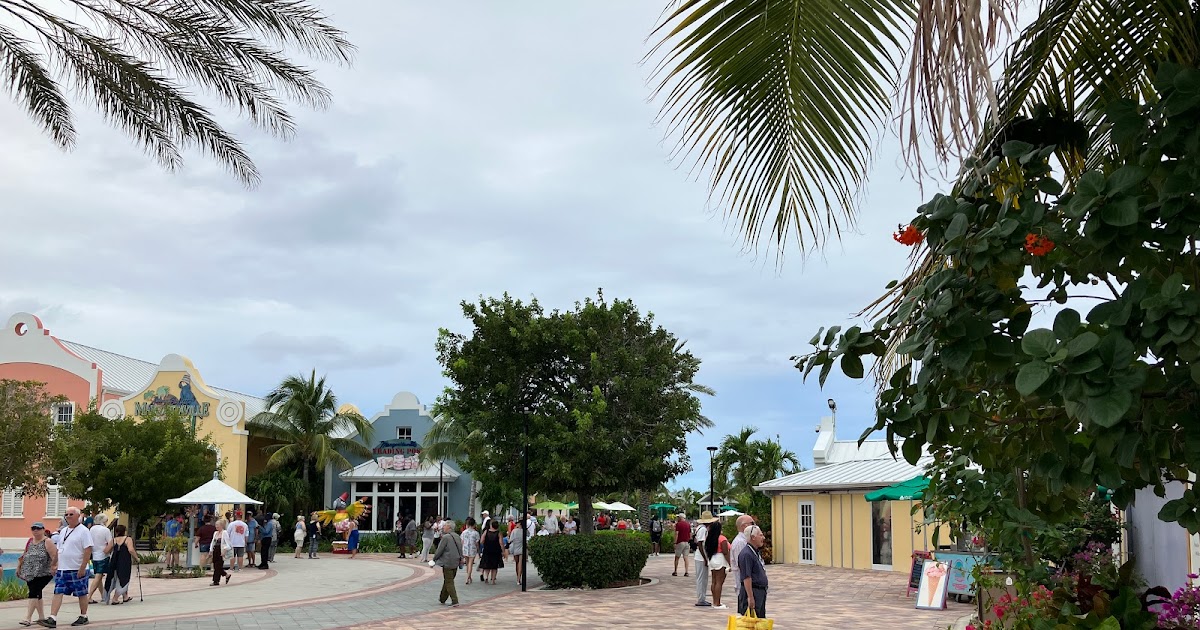
For decades, the dominant model of global tourism relentlessly drove travelers toward a standardized, condensed itinerary, prioritizing a hurried checklist of iconic landmarks, crowded museum halls, and highly commercialized souvenir shops, often resulting in a homogenized experience that offered little genuine insight into the daily life, unique character, or authentic struggles of the host community, leaving the traveler feeling disconnected and culturally unfulfilled despite having “seen” the major sights.
This mass-market approach, characterized by large group tours and centralized tourist zones, has not only contributed to issues like overtourism and environmental strain but has also fundamentally flattened the potential for meaningful human connection and spontaneous discovery, trapping both the visitor and the local resident in an artificial, transactional dynamic.
However, catalyzed by a profound weariness of the crowds and a deepened desire for authentic, purpose-driven travel, a powerful counter-movement is rapidly gaining momentum, defined by the intentional pursuit of Local and Hyperlocal Experiences, urging travelers to intentionally bypass the well-trodden paths in favor of the quiet side streets, neighborhood markets, and family-run establishments where the true, complex pulse of a destination genuinely beats.
This shift represents a rejection of passive consumption and an embrace of active participation, transforming the goal of travel from collecting photographic proof to collecting deeply personal, enriching, and genuine local stories.
Pillar 1: Defining Local and Hyperlocal Travel
Understanding the scope and intensity of deep neighborhood immersion.
A. The Definition of Local Travel
Engaging beyond the main tourist zones.
-
Community Focus: Local travel prioritizes experiences and services that are firmly rooted in the immediate community, specifically seeking out businesses, activities, and interactions managed and run by the residents of the host town or neighborhood.
-
Cultural Exchange: The core aim is to facilitate genuine, two-way cultural exchange, moving beyond observation to engage in conversations, share practices, and understand daily life from a local perspective.
-
Sustainable Spending: It inherently supports economic sustainability by ensuring tourist spending circulates directly within the local economy, preventing revenue leakage to large, multinational corporations.
B. The Definition of Hyperlocal Travel
The ultimate micro-immersion experience.
-
Micro-Neighborhood Immersion: Hyperlocal travel takes the concept further, focusing on deep, extended immersion within a single, very small, defined neighborhood or borough, often staying long enough to become a recognizable “regular” at local spots.
-
Unlisted Gems: The pursuit is centered on finding unlisted, non-commercialized “hidden gems”—a grandmother’s cooking class, an unmarked local bar, or a tiny neighborhood museum known only to residents.
-
Adopted Routine: The goal is to temporarily adopt the daily routine of a local, shopping at the local market, utilizing neighborhood services, and understanding the rhythm of the specific micro-community.
C. The Psychology of Seeking Authenticity
Why travelers are moving off the beaten path.
-
Overtourism Fatigue: Travelers are actively avoiding the stress, high prices, and lack of quality associated with sites overwhelmed by mass tourism, seeking tranquility and a more personal space to reflect.
-
Meaningful Connection: The desire for genuine human connection is paramount, prioritizing a single, meaningful conversation with a local vendor over viewing a dozen historical monuments in silence.
-
Self-Discovery: Hyperlocal travel, by stripping away the familiar tourist support system, often forces the traveler to be more resourceful and present, leading to heightened self-awareness and personal growth.
Pillar 2: Strategic Accommodation and Dining
Where you sleep and eat dictates your level of immersion.
A. Choosing Hyperlocal Accommodation
Bypassing centralized commercial zones.
-
Neighborhood Airbnbs/Homestays: Opt for locally owned Airbnbs or guesthouses located several blocks away from the main commercial strip, ensuring your immediate environment is residential and authentic.
-
Staying Longer: Commitment to longer stays (one week or more) in one location is essential for hyperlocal travel; it allows the traveler to establish trust, recognition, and a sense of routine within the community.
-
Community-Run Lodging: Seek out lodging initiatives managed directly by community cooperatives or local families (common in eco-villages or rural areas), ensuring profits benefit the entire community.
B. Mastering Local Dining Habits
Eating like a resident, not a visitor.
-
The Local Market: Make the local farmers’ or fish market your primary source for food, buying fresh ingredients and engaging directly with vendors, often learning simple cooking tips in the process.
-
Avoid Translated Menus: Intentionally seek out small, unmarked restaurants or stalls where the menu is only in the local language, signaling that the establishment caters to residents, not tourists.
-
Ask Locals, Not Apps: When looking for a place to eat, ask a local shopkeeper, a librarian, or a friendly residentfor their personal favorite spot, bypassing the curated, tourist-focused recommendations on review apps.
C. Self-Catering and Shared Meals
Deepening connection through food preparation.
-
Communal Kitchens: Utilize the communal kitchens in hostels or guesthouses not only to save money but as a social hub to prepare meals with fellow travelers, sharing recipes and ingredients.
-
Local Cooking Classes: Sign up for a small, intimate cooking class run from a local’s home, learning authentic, traditional neighborhood recipes rather than standardized commercial tourist dishes.
-
Neighborhood Cafes: Identify a single, non-chain, neighborhood cafe or bakery and become a “regular” during your stay; this consistent presence quickly leads to recognition and friendly conversations with staff and patrons.
Pillar 3: Transportation and Discovery Hacks

Moving and finding things like a local, not a tourist.
A. Utilizing Hyperlocal Transportation
The low-speed way to see the community.
-
Walk and Observe: Make walking your primary mode of transportation within the neighborhood; this slow pace is the best way to observe architecture, overhear local chatter, and notice the small, spontaneous details of daily life.
-
Local Bus Systems: Master the local bus system or neighborhood trams, intentionally avoiding the dedicated tourist routes or expensive tour buses; the local routes show you the real city.
-
Local Bike Share: If available, use the local bike share or scooter system to cover slightly longer distances, experiencing the city from the same perspective as a commuting resident.
B. Finding the Hidden Gems
Searching beyond Google and guidebooks.
-
The Library Hack: Visit the local public library or community center and check their bulletin boards or event calendars; these often list non-commercialized events, local club meetings, and neighborhood gatherings.
-
University/School Events: If a university is nearby, check their public events schedule for free lectures, student art shows, or concerts; these are excellent, low-cost ways to observe local intellectual and artistic life.
-
Local News/Blogging: Before arriving, translate and follow small, hyper-focused local neighborhood blogs, online forums, or community newspaper sites to discover events that never make it into major tourist publications.
C. Engaging Local Professionals
Turning transactions into interactions.
-
Local Barber/Salon: Get a haircut or grooming service at a small, independent neighborhood salon; this is a low-pressure way to engage in extended conversation with a local service provider and overhear neighborhood gossip.
-
The Pharmacist’s Insight: Ask the local neighborhood pharmacist for mild, non-prescription remedies, and use the interaction as a gentle, non-intrusive way to learn about the community’s health and daily life.
-
Small Bookstore Chat: Engage the owner of a small, independent bookstore in conversation about local literature or history; they are often deeply knowledgeable, passionate community historians.
Pillar 4: The Impact of Ethical Hyperlocal Choices
Ensuring your deep immersion is a positive contribution.
A. Economic Justice and Anti-Gentrification
Protecting local communities from displacement.
-
Support Legacy Businesses: Intentionally seek out and support businesses that have been operating in the neighborhood for decades (legacy businesses), helping them withstand rising rents and competition from larger chains.
-
Resisting “Tourist Pricing”: Be aware if a vendor attempts to charge you a significantly higher “tourist price” for a product; politely ask for the fair local rate, but avoid aggressive haggling, maintaining respect.
-
Airbnb Impact Awareness: Before booking, research the local housing market and regulation; in communities severely impacted by housing shortages, choosing a locally owned guesthouse over an investor-owned vacation rental is the more ethical choice.
B. Reducing Environmental Footprint
The local travel benefits for the planet.
-
Reduced Transport Emissions: By focusing on a single, walkable, hyperlocal area for an extended period, the traveler dramatically reduces inter-city travel, thereby lowering their overall transportation-related carbon footprint.
-
Minimizing Waste: Shopping at local markets for food often reduces packaging and plastic waste compared to relying on multinational supermarkets or pre-packaged tourist meals.
-
Supporting Small-Scale Farms: Buying food directly from local market vendors often means supporting small-scale, sustainable farming and fishing practices that are less industrially damaging than large commercial agriculture.
C. Respecting Residential Boundaries
Ensuring the community remains welcoming.
-
Noise Control: Be highly aware of noise levels, especially during evening and early morning hours, when staying in residential areas; loud behavior can quickly create resentment among local neighbors.
-
Private Space: Recognize that not every space is for tourist consumption; respect private property, do not trespass, and avoid turning residential streets or doorways into photo shoot backdrops.
-
Cultural Sensitivity: When observing local customs or rituals, maintain a respectful distance, turn off flash photography, and only observe unless explicitly invited to participate, maintaining the integrity of the local tradition.
Pillar 5: Case Studies and Future Trends
Where and how hyperlocal travel is thriving and evolving.
A. Global Hubs of Hyperlocal Success
Cities where neighborhood travel works best.
-
Japan (Izaakaya Culture): In cities like Tokyo and Osaka, the “Izaakaya” (small, neighborhood pub) culture encourages small-scale, deeply localized dining and drinking, forcing immersion into micro-communities.
-
Italy (Sestiere Districts): Cities like Venice are encouraging travelers to move far beyond Piazza San Marco and explore the individual Sestiere districts (Cannaregio, Castello), each with its own distinct, residential identity.
-
Mexico City (Colonia Exploration): The sheer size of Mexico City necessitates neighborhood-by-neighborhood exploration (e.g., Roma Norte, Coyoacán), where travelers stay long term in one colonia and deeply explore its unique parks, markets, and cafes.
B. The Staycation and Local Exploration
Finding the hyper-local in your own backyard.
-
The “Tourist at Home”: The concept of the “staycation” has evolved into intentional local exploration, urging residents to become tourists in their own city by seeking out neighborhoods they have never visited or using local transit systems for fun.
-
Supporting Local Resurgence: By spending locally, residents support the economic recovery of small businessesthat were hit hardest during periods of global travel restrictions.
C. Future Technology and Hyperlocal Integration
Tech that facilitates deeper immersion.
-
Micro-Influencers: Travelers are increasingly relying on hyperlocal social media accounts or community groups(like Nextdoor or neighborhood-specific Facebook pages) for real-time, trustworthy, non-commercialized recommendations.
-
Decentralized Platforms: Emerging platforms are seeking to connect travelers directly with individual locals for micro-experiences (e.g., teaching fishing, walking a dog, sharing a home-cooked meal) bypassing large corporate tour providers.
-
AR Historical Layers: Future AR technology could overlay historical or non-commercial information onto residential streets, revealing the neighborhood’s past life or unlisted community services without needing a physical guide.
Conclusion: Connection, Authenticity, and Respect

The pursuit of Local and Hyperlocal Experiences represents a profound and necessary evolution in travel philosophy, moving past the fleeting satisfaction of mass-market consumption toward the deep, lasting fulfillment of genuine connection and authentic cultural exchange.
This philosophy demands a strategic shift in behavior, requiring the traveler to intentionally bypass central tourist hubs and spend time in residential neighborhoods, supporting small, legacy businesses that form the true economic backbone of the community.
Immersive dining is a crucial component, where success is measured by the commitment to shopping at neighborhood markets, seeking out restaurants that cater exclusively to locals, and learning to prepare local cuisine through small, intimate home-based classes.
To achieve true hyperlocal status, the traveler must embrace the routines of a resident, relying on slow transportation modes like walking and local buses, and utilizing resources like community center bulletin boards and local blogs to find unlisted, non-commercialized events.
Ethical responsibility is paramount, requiring travelers to be constantly mindful of their social footprint, supporting neighborhood longevity by respecting residential boundaries, and ensuring their presence does not contribute to gentrification or the displacement of long-term local tenants.
Ultimately, by committing to the hyperlocal experience, the traveler achieves a richer, more meaningful journey defined by authentic stories and genuine human connection, transforming their visit from a simple transaction into a deeply respected, reciprocal contribution to the host community’s vitality.