

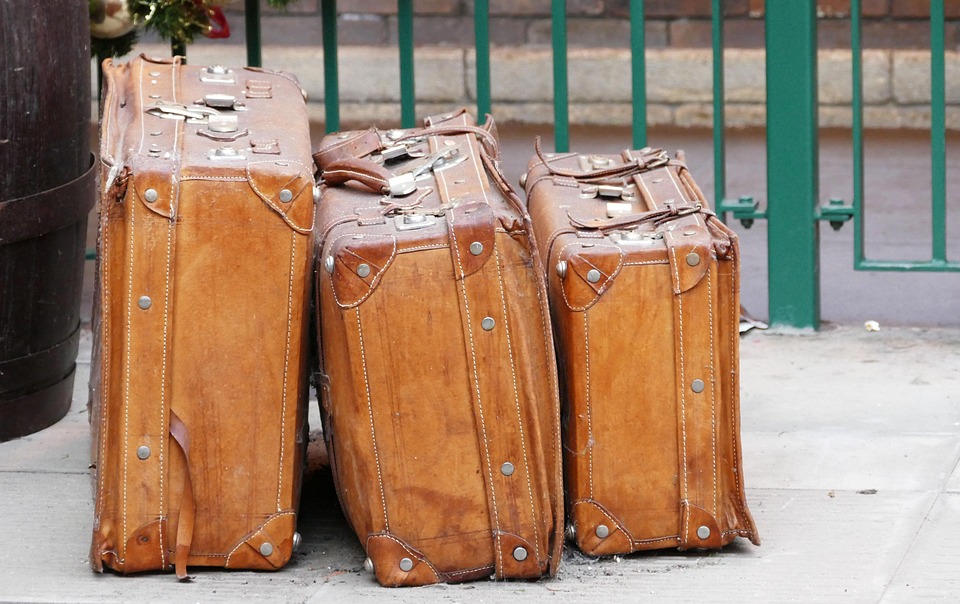
For too long, the act of traveling has been unnecessarily burdened by the collective assumption that comfort, preparedness, and style are inextricably linked to the sheer volume of possessions we carry, resulting in a stressful pre-trip ritual of struggling to close overly full suitcases, enduring exorbitant checked baggage fees at the airport, and perpetually dragging heavy, cumbersome luggage through cobbled streets and crowded transit stations, fundamentally detracting from the spontaneous joy and freedom that travel promises.
This attachment to things creates constant friction, transforming simple tasks like changing accommodation or quickly catching a train into arduous logistical challenges, effectively tying the traveler down both physically and financially, limiting speed, flexibility, and the crucial ability to be truly present in the moment.
The philosophy of Minimalist Travel proposes a radical, liberating alternative: a deliberate, strategic reduction of personal belongings to only the absolute essentials, viewing every item carried as a deliberate choice that must earn its space within a single, manageable carry-on bag, thus streamlining the entire travel experience from start to finish.
Embracing this lighter approach is not about enduring hardship or deprivation; rather, it is a sophisticated method of maximizing mobility, accelerating transit times, eliminating fees, and ultimately focusing all energy and attention on the world outside the bag, rather than the contents within it.
Pillar 1: The Minimalist Mindset Shift
Changing the fundamental approach to what you need on the road.
A. The “What If” Elimination
Confronting the fear of being unprepared.
-
Assessing Risk: The minimalist mindset actively distinguishes between genuine necessity and imagined “what ifs”, accepting a minor, manageable risk (e.g., needing to buy a forgotten item cheaply) in exchange for significant logistical freedom.
-
The 80/20 Rule: Travelers typically only use 20% of the clothes they pack 80% of the time; the minimalist ruthlessly identifies and packs only that highly utilized 20%, leaving the rest behind.
-
Replaceability Check: Before packing any item, ask: “Can I replace this affordably at my destination?” If the answer is yes, consider leaving it, relying on local resources rather than carrying the weight.
B. Defining the Single Carry-On
The non-negotiable size limit.
-
Size is the Goal: The goal is to fit everything needed for the duration of the trip into a single bag that adheres to most international carry-on dimensions (typically around 45L or less), eliminating the need for checking bags.
-
Increased Mobility: Traveling with only a carry-on guarantees speed through airports (no waiting at baggage claim), eliminates checked baggage fees, and ensures the traveler can comfortably walk long distances or navigate busy public transit.
-
The Personal Item: Strategically utilize the “personal item” allowance (a small backpack or purse) for essential, high-value items like electronics, travel documents, and in-flight comfort accessories.
C. The Weight and Energy Audit
Understanding the true cost of excess weight.
-
Weight-to-Value Ratio: Every item packed must be critically assessed based on its weight-to-value ratio; for instance, a heavy book has low value compared to an entire library on an e-reader.
-
Physical Cost: Recognize the physical and mental energy drain associated with managing heavy baggage; the time and strength saved by traveling light directly translates into more enjoyable, productive travel time.
-
Minimalist Aesthetics: Embrace the aesthetic of simplicity and functional design, choosing high-quality, lightweight gear (e.g., down jackets, technical fabrics) that are durable and easily packable.
Pillar 2: The Core Clothing Strategy
Building a versatile, minimal, and sustainable travel capsule.
A. The Versatile Capsule Wardrobe
Focusing on utility and interchangeability.
-
Color Palette: Limit all clothing to a small, cohesive color palette (e.g., black, gray, navy, white) so that every top matches every bottom, eliminating the possibility of mismatched outfits.
-
Layering System: Prioritize a smart three-layer system (base layer, insulating mid-layer, protective shell jacket) rather than bulky single items; layers adapt instantly to drastic temperature changes and are easier to pack.
-
The Multi-Use Item: Every item should serve at least two functions; for example, a quick-dry scarf doubles as a head covering, towel, or pillow, and versatile travel pants transition from hiking trails to semi-formal dinners.
B. Fabric and Material Selection
Choosing smart, technical textiles.
-
Quick-Dry Fabric: Select lightweight, quick-drying technical fabrics (e.g., merino wool, nylon, polyester blends) that can be washed easily in a sink and are dry within hours, reducing the number of clothes required.
-
Odor Resistance: Utilize merino wool for socks and base layers; this natural fiber is highly resistant to odor and can be worn for multiple days without washing, significantly reducing laundry frequency.
-
Wrinkle Resistance: Choose wrinkle-resistant fabrics that look neat straight out of the bag, eliminating the need to pack a steamer or spend time ironing abroad, saving both space and hassle.
C. Footwear Reduction
The biggest challenge for most travelers.
-
The Two-Shoe Rule: Restrict footwear to two essential pairs: one comfortable, durable pair of walking/hiking shoes (worn on the plane) and one versatile, compact pair of sandals or dressier flats/loafers.
-
The Third Option: If a third shoe is absolutely necessary (e.g., specialized formal or cold-weather boots), choose a pair that can be compressed or is made of lightweight material and secure them to the outside of the backpack.
-
Compression Socks: While not clothing, packing compression socks is a smart move for long flights or train journeys, improving circulation and reducing swelling, justifying their small space.
Pillar 3: Organization and Packing Techniques
Maximizing every cubic inch of space effectively.
A. Utilizing Packing Cubes
The minimalist’s organizational secret weapon.
-
Compress and Categorize: Packing cubes compress bulky items and, more importantly, organize clothes into defined categories (e.g., “Tops,” “Underwear,” “Outfits”), making items easy to locate without ransacking the entire bag.
-
“Unpacking” Efficiency: Upon arrival, simply transfer the packing cubes directly from the bag to a drawer; this method provides instant, organized “unpacking” and makes repacking effortless.
-
Color Coding: Use different colored or labeled packing cubes for different categories or for separating clean clothes from dirty laundry, maintaining hygiene and organization throughout the trip.
B. Rolling vs. Folding
The ongoing debate settled by the minimalist.
-
Rolling for Space: Tightly rolling flexible items (T-shirts, socks, underwear) maximizes the use of small, narrow spaces within the bag and often reduces visible creases compared to folding.
-
Folding for Structure: Folding bulkier, structured items (jackets, trousers, starched shirts) can be better for preserving their shape and utilizing large, flat areas in the main compartment of the bag.
-
The Bundle Method: For highly sensitive or formal wear, consider the “bundle method,” wrapping smaller, rolled items within a central, folded item to minimize wrinkling and maximize space efficiency.
C. The Tiny Item Strategy
Smart use of often-wasted space.
-
Shoe Space: Stuff socks, underwear, or charging cables tightly inside shoes before packing them, utilizing the empty volume within the sole.
-
Utilize Void Space: Fill every small void and gap around the edges of the bag with flexible items like belts (rolled up), scarves, or small accessories, ensuring no wasted air pockets.
-
The One Bag Rule: Designate one small, zippered pocket inside the main bag strictly for travel documents, currency, and passport copies, ensuring these high-value items are instantly accessible yet secure.
Pillar 4: Electronics and Hygiene Reduction
Cutting down the bulk of non-clothing essentials.
A. Minimizing the Tech Footprint
Consolidating gadgets for lightness.
-
Multi-Use Devices: Consolidate functions into one powerful device (e.g., using a smartphone for camera, entertainment, banking, and e-reading), eliminating the need for separate gadgets like dedicated cameras or tablets.
-
Universal Charging: Minimize the number of power bricks and cables by using universal USB-C chargers whenever possible and investing in a single, multi-port, high-speed travel adapter that can charge everything simultaneously.
-
Ditching the Laptop: Unless absolutely necessary for work, leave the heavy laptop at home; for quick tasks, utilize a lightweight tablet with an external keyboard or rely on hostel/hotel business centers.
B. The Toiletry Downsize
Adhering to the 3-1-1 Liquid Rule.
-
The 3-1-1 Compliance: Strictly adhere to the carry-on 3-1-1 rule (3.4oz/100ml containers or less, stored in one quart-sized clear bag), forcing a minimalist approach to liquids and avoiding checked baggage entirely.
-
Solid Alternatives: Switch liquids to solids wherever possible: use solid shampoo bars, solid conditioner bars, deodorant sticks, and powdered foundation; these last longer and eliminate the risk of leaks.
-
Travel-Sized vs. Decanted: Buy reusable, small silicone bottles and decant your favorite toiletries from home; travel-sized products sold in stores are often highly overpriced and contain less useful volume.
C. First Aid and Contingency
Packing health and safety items judiciously.
-
Personal Pharmacy: Pack only a small, curated personal pharmacy focused on known needs (prescriptions, specific pain relievers) and common travel ailments (diarrhea medicine, motion sickness pills), not a full drugstore.
-
High-Value Safety: Include high-value safety items like a portable door stop, a small cable lock (for hostel lockers), and a headlamp or mini-flashlight, as their utility far outweighs their minimal weight.
-
Local Sourcing: Plan to buy bulky, heavy, disposable items locally—sunscreen, large bottles of lotion, large insect repellent sprays—upon arrival at the destination, saving space and weight for the outbound journey.
Pillar 5: Staying Minimal on the Road
Maintaining the minimalist practice while traveling.
A. The “One In, One Out” Rule
Preventing accumulation while traveling.
-
Strict Inventory: Establish a strict “One In, One Out” rule: if a new item (e.g., a souvenir, a shirt) is purchased, an existing item of similar size or function must be discarded or donated immediately.
-
Souvenir Strategy: Limit souvenirs to small, non-physical items (e.g., photos, postcards, local spices) or focus on buying consumables (local food, drinks) that will be used up before the return trip.
-
Subscription Management: While traveling, review and cancel unnecessary digital subscriptions; the minimalist philosophy applies equally to digital clutter, saving money and mental bandwidth.
B. Embracing Laundry on the Go
The key to a successful extended trip.
-
Daily Washing: Wash one set of socks and underwear in the sink every night using a small amount of liquid detergent or a solid soap bar; quick-dry fabrics make this a five-minute nightly ritual.
-
Portable Clothesline: Carry a small, twisted elastic travel clothesline with suction cups; this allows clothes to be hung to dry easily in any hotel bathroom or room, accelerating the drying process.
-
Local Laundry Services: For larger loads, utilize cheap, local laundry services rather than expensive hotel services; this is a cost-effective way to get a full wardrobe reset quickly.
C. Document Organization
Keeping essential papers minimal and secure.
-
Digital First: Scan and save all passports, visas, insurance policies, and reservation confirmations to a secure, encrypted cloud folder or password manager, minimizing the need for paper copies.
-
The Essential Folder: Only carry one small, zippered folder or wallet containing the original passport, a secondary ID, and a few printed emergency copies of vital documents, keeping them immediately accessible yet secure.
-
Currency Minimalism: Only carry the amount of local cash needed for the day in an easily accessible front pocket, keeping the bulk of the emergency funds, credit cards, and passport locked away at the accommodation or in a concealed money belt.
Conclusion: The Liberation of Unburdened Travel
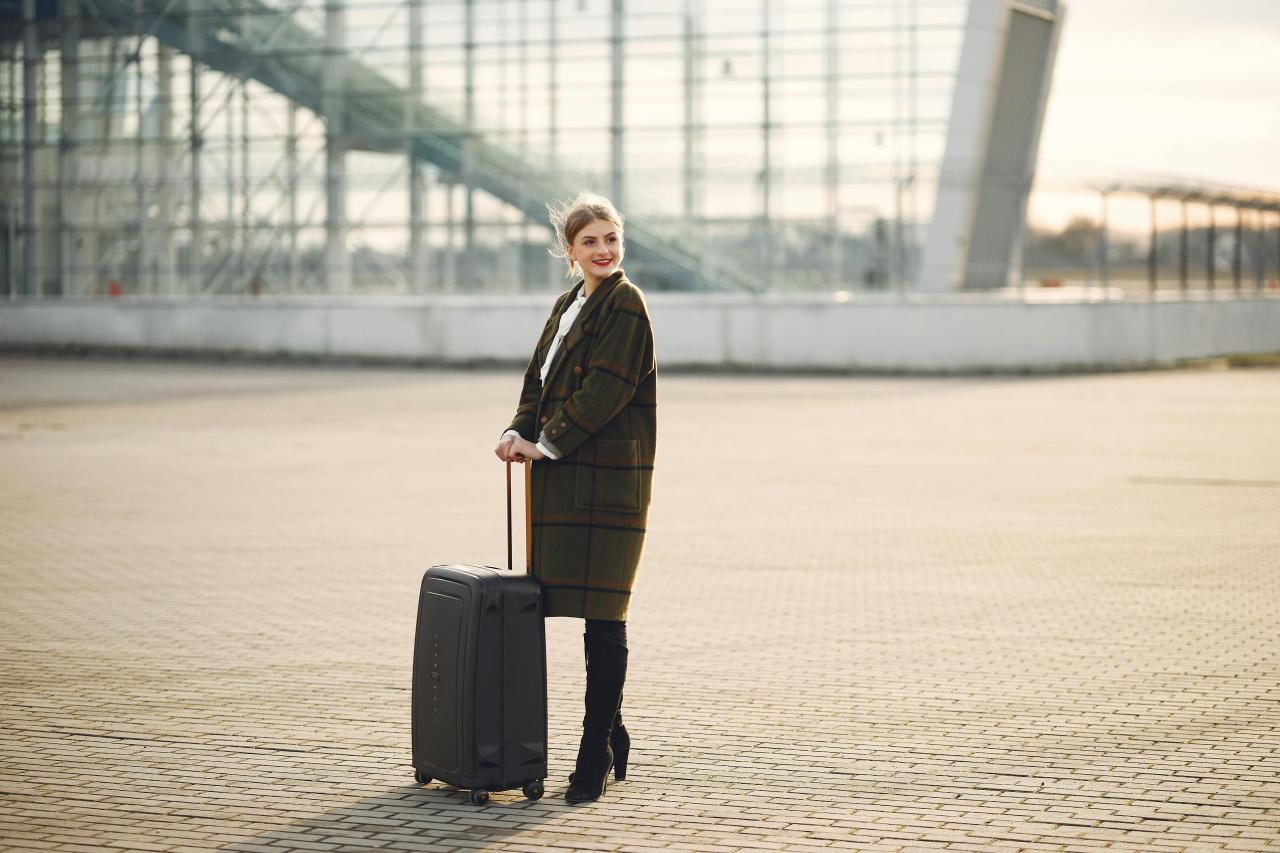
The successful adoption of the minimalist packing philosophy is a transformative decision that moves beyond simple luggage reduction, representing a powerful commitment to freedom, speed, and the unburdened enjoyment of the global travel experience.
This mastery demands a conscious psychological shift, forcing the traveler to ruthlessly eliminate the anxiety-driven impulse to pack for every unlikely “what if,” instead placing trust in local resources and focusing only on the true daily essentials.
The practical foundation rests upon the non-negotiable principle of the single carry-on bag, immediately eliminating the stress, expense, and wasted time associated with checking, retrieving, and managing cumbersome, heavy luggage.
Clothing strategy is streamlined by adopting a modular, interchangeable capsule wardrobe based on neutral colors and highly effective quick-dry, odor-resistant technical fabrics that maximize versatility while minimizing the total number of items required.
Packing efficiency is achieved through the smart use of organizational tools like compression packing cubes, which not only reduce volume but also categorize contents, ensuring that the necessary repacking process remains consistently quick and stress-free.
Electronics and toiletries are reduced by consolidating functions into multi-use devices, utilizing universal charging accessories, and adhering strictly to the 3-1-1 liquid rules by switching to long-lasting, space-saving solid alternatives wherever feasible.
Ultimately, the goal of minimalist packing is not the achievement of an empty bag, but the conscious creation of an unencumbered lifestyle on the road, where the traveler’s focus is entirely on cultural discovery and personal connection, rather than the management of material possessions.