

For generations of explorers, the train journey across the European continent has remained the quintessential travel experience, embodying a deep sense of romantic nostalgia that modern air travel simply cannot replicate, offering panoramic views of ever-changing landscapes that transition seamlessly from the sun-drenched vineyards of Italy to the majestic, snow-capped peaks of the Swiss Alps, all while providing a comfortable, grounded, and intrinsically civilized way to navigate vast distances.
However, for first-time adventurers looking to embrace this extensive rail network, the sheer complexity of purchasing individual national tickets, navigating multilingual booking sites, and managing numerous country-specific reservations can quickly transform the dream of seamless exploration into a frustrating and expensive logistical nightmare, leading many to default to less engaging transportation methods.
The European Rail Pass, particularly the widely recognized Eurail Pass system, was ingeniously designed as a singular, comprehensive solution to this multifaceted challenge, functioning as a golden key that grants extraordinary flexibility and access to the vast majority of the continent’s interconnected train lines, turning the complexities of multi-country travel into a simplified, unified experience.
Mastering the strategic use of this pass is the essential skill that unlocks true continental freedom, demanding careful planning not just in choosing destinations, but in understanding the nuanced difference between the pass itself and the often-mandatory seat reservations required by high-speed and overnight services.
Pillar 1: Understanding the European Rail Pass System
Deciphering the types, costs, and essential limitations of the pass.
A. Core Types of Passes
Selecting the right level of coverage.
-
Global Pass: This is the most flexible option, allowing unlimited travel days across all participating countries (typically 33 nations), making it ideal for long-term travelers planning a grand, multi-country tour spanning several weeks or months.
-
One Country Pass: Best for travelers focusing deeply on a single nation, this pass offers unlimited travel days within one specific country (e.g., Italy, Germany, or France), proving highly cost-effective for intensive regional exploration.
-
Flexi Pass: This pass offers a fixed number of travel days (e.g., 5 or 7 days) within a longer calendar window(e.g., 1 month), perfect for travelers who plan to intersperse rail journeys with multi-day stops in major cities, thus balancing cost and pace.
B. Defining a “Travel Day”
The critical timing mechanism.
-
The 24-Hour Rule: A “Travel Day” is a continuous 24-hour period (from midnight to midnight) during which the pass holder can take an unlimited number of train journeys on participating national rail services, requiring careful consolidation of travel.
-
The 7 PM Rule (for Overnight Trains): When boarding an overnight train that departs after 7:00 PM (19:00) and arrives after 4:00 AM (04:00), the pass holder only needs to enter the arrival day on the pass calendar, saving a precious Travel Day.
-
Activation and Validation: The pass must be formally activated at a European train station ticket office before the very first journey, and the traveler must accurately log every Travel Day and journey segment onto the paper or mobile pass before boarding.
C. The Cost vs. Value Equation
When the pass saves money and when it doesn’t.
-
High-Frequency Travel: The pass is most valuable when the traveler plans to take long-distance journeys on many separate days; the cost of the pass should be significantly less than the sum of the individual point-to-point ticket prices.
-
High-Cost Countries: The pass typically offers the best return on investment (ROI) in countries with expensive high-speed rail systems like France, Italy, and Spain, where last-minute tickets can be exorbitant.
-
Low-Cost Countries: The pass is less cost-effective for slow, low-frequency travel or in countries with very cheap local ticket prices (e.g., parts of Eastern Europe), where buying individual tickets is often cheaper than one day of the pass.
Pillar 2: Reservation Essentials and Strategy
Navigating the necessary cost of securing a seat.
A. The Pass vs. Reservation Distinction
Understanding the two separate costs.
-
Pass is the Ticket: The European Rail Pass only covers the cost of the train fare (the right to travel on the tracks) and does not automatically guarantee a physical seat on the train.
-
Reservation is the Seat: A mandatory seat reservation is a separate, non-included fee (ranging from $€ 3$ to $€ 35$ or more) required for virtually all high-speed trains, overnight services, and many international routes to guarantee a physical place.
-
Avoidance Strategy: To avoid reservation fees entirely, travelers must limit their journeys to slower, regional, or commuter trains, which generally do not require reservations but take significantly longer to reach the destination.
B. High-Cost Reservation Routes
Identifying the trains that drain the budget.
-
TGV (France) and AVE (Spain): These high-speed services are expensive and often require reservations months in advance, sometimes having limited quota for pass holders, making spontaneity difficult.
-
International Lines: Routes connecting major European capitals (e.g., Paris to Amsterdam or Rome to Vienna) often feature mandatory and pricey reservations because of high demand and the use of dedicated, international trains.
-
Overnight Sleepers: While saving on accommodation, couchette and sleeper car reservations are the most expensive, sometimes costing as much as a budget hotel room, yet offering necessary comfort for long hauls.
C. Booking Reservations Strategically
The timing and method for success.
-
Booking Window: Reservations for popular routes (especially in peak summer) should be booked 2-3 months in advance, particularly if traveling in groups or using specific high-speed services, as pass holder quotas sell out quickly.
-
Online vs. Station: While reservations can be booked through the official Rail Pass website (for an additional service fee), the cheapest and most reliable method is often booking directly at the ticket office of the departing train station, though this requires multilingual patience.
-
The “Plan B” Route: Always have a slower, reservation-free regional route planned as a backup, particularly during peak travel times, in case the preferred high-speed reservation is sold out or too expensive.
Pillar 3: Logistics and On-the-Go Hacks
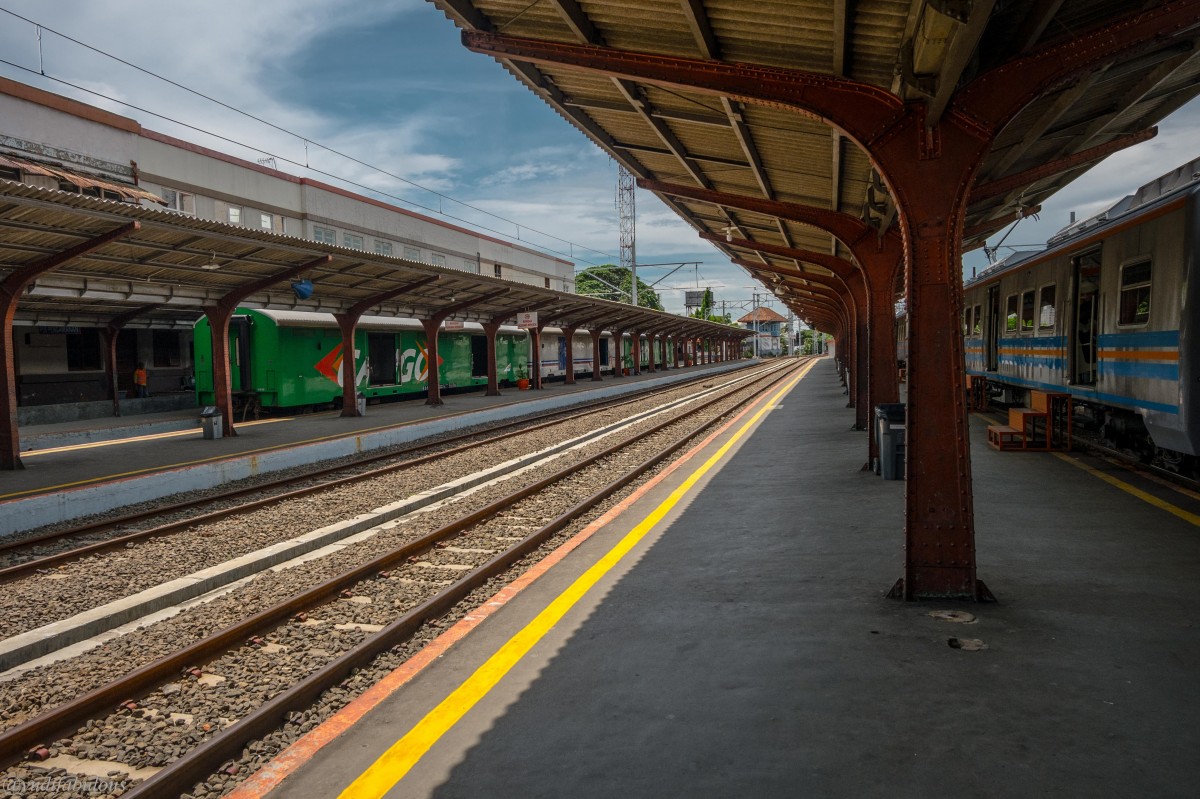
Practical tips for a seamless rail journey experience.
A. Mastering the Mobile App
Your digital conductor and itinerary tool.
-
Offline Timetables: The official Rail Pass mobile app is indispensable because it stores the entire European train timetable offline, allowing travelers to check departure times, track platforms, and plan connections without needing constant Wi-Fi access.
-
Pass Diary: The app functions as the required “Travel Diary,” allowing the pass holder to log their journeys digitally; the paper pass is still technically required for identification, but the logging process is streamlined.
-
Delay Management: The app provides real-time updates on delays, platform changes, and connection alerts for most major networks, which is crucial for navigating unexpected disruptions efficiently.
B. Station and Platform Management
Arriving and departing like a seasoned pro.
-
Know the Language: Learn a few key phrases in the local language related to platforms (Gleis in German, Voie in French) and delays (ritardo, Verspätung), especially if traveling in non-English speaking stations.
-
Platform Visibility: Arrive at the station 15-20 minutes before departure to locate your platform, as European stations can be huge and platform changes are frequent, particularly in central hubs.
-
Luggage Strategy: Pack light and utilize luggage loops or ties to keep all bags attached during transit; maneuvering a large, unwieldy suitcase on narrow train aisles and staircases is the fastest way to induce stress.
C. Comfort and Security Onboard
Making the train your temporary office or bedroom.
-
Secure Your Seat: When boarding a crowded train, place your small luggage (backpack, day bag) on the overhead rack or under the seat immediately, avoiding obstructing the aisle for others.
-
Food and Water: Stock up on food and water before boarding; station kiosks are often cheaper than the onboard bistro cars, and having snacks on hand is crucial for long-distance routes.
-
Night Train Safety: When using couchette or sleeper cars, secure the door lock immediately upon entering and keep all valuable items (passports, phone) stored right next to you or under the pillow for maximum security while sleeping.
Pillar 4: Route Planning and Experience Maximization
Designing an itinerary that makes the pass worthwhile.
A. The “Hub and Spoke” Model
Optimizing the Flexi Pass.
-
Base City: Choose a central, strategic city (e.g., Berlin, Vienna, Milan) as a temporary “hub” and use only local transport for exploring that area for several days without using a Pass Travel Day.
-
Spoke Journeys: Use a single Pass Travel Day for a long-distance, high-value journey (the “spoke”) to the next main hub city, ensuring the day’s travel is packed with multiple, expensive segments.
-
Day Trip Efficiency: When taking a reservation-free day trip (a regional train to a nearby town), ensure the return trip is completed before midnight to maximize the use of that single Travel Day.
B. Scenic Routes and Cultural Immersion
Turning transit into a sightseeing event.
-
Prioritize Scenery: Research and deliberately incorporate famous scenic rail lines into the itinerary (e.g., the Bernina Express in Switzerland, the West Highland Line in Scotland); these routes offer incredible views and are often included in the pass.
-
The Train Car Experience: Avoid constant technology use; instead, use the train journey as dedicated time for reading, journaling, observing the shifting landscapes, and engaging in quiet conversation with fellow passengers.
-
Local vs. High-Speed: Intentionally alternate between high-speed and regional trains; high-speed trains save time but are often monotonous, whereas the slower regional trains offer better cultural immersion and views of small towns.
C. Border Crossings and Language
Handling international transitions smoothly.
-
Immigration vs. Customs: Most internal European (Schengen Area) border crossings are seamless with no formal stop or checks, but be aware that random passport and customs checks can occur, so always have documentation ready.
-
UK and Switzerland: Remember that Switzerland and the United Kingdom are outside the EU/Schengen Zone, meaning formal passport and customs control will happen, and transit times should be adjusted accordingly.
-
Language Apps: Keep a reliable offline translation app handy for quick communication with train staff or border police, even if only for simple phrases like “My pass is here” or “Is this the right track?”
Pillar 5: Technology, Documentation, and Support
Essential tools for the modern rail traveler.
A. Digital Documentation and Backup
Protecting your pass investment.
-
Digital Backups: Take clear photographs of the physical pass cover, the pass number, and your passport and store them securely in a cloud service or encrypted folder; this is vital for replacement if the physical pass is lost or stolen.
-
The Declaration: If the physical pass is lost or stolen, immediately file a police report in the country where the loss occurred; this official document is required to claim any insurance or potential replacement from the pass issuer.
-
Pass Replacement Policy: Understand the specific pass replacement or refund policy (often requiring the purchase of a specific “Pass Protection” insurance add-on) before the trip starts, not after a crisis occurs.
B. Understanding Class Differences
First Class versus Second Class travel.
-
Second Class Quality: For budget travelers, Second Class travel in Europe is generally comfortable, clean, and perfectly adequate, often featuring Wi-Fi and power outlets, especially on high-speed routes.
-
First Class Perks: First Class offers more spacious seating, guaranteed quiet zones, and sometimes complimentary beverages/snacks (depending on the network), which may be worth the extra cost for business travelers or those seeking luxury.
-
Pass Class: Ensure the class of the reservation matches the class of your pass; a Second Class pass holder cannot legally travel in a First Class seat, even with a separate reservation.
C. Connecting with the Rail Community
Tapping into shared knowledge.
-
Online Forums: Utilize specialized online forums and social media groups dedicated to European rail travel; these communities provide invaluable, real-time advice on obscure reservation hacks, current delays, and the best scenic routes.
-
Station Information Desks: Use the official train station Information Desks (often marked with an “I” symbol) for complex route questions, connection advice, or last-minute reservation issues; the staff are multilingual and highly knowledgeable.
Conclusion: The Journey is the Destination
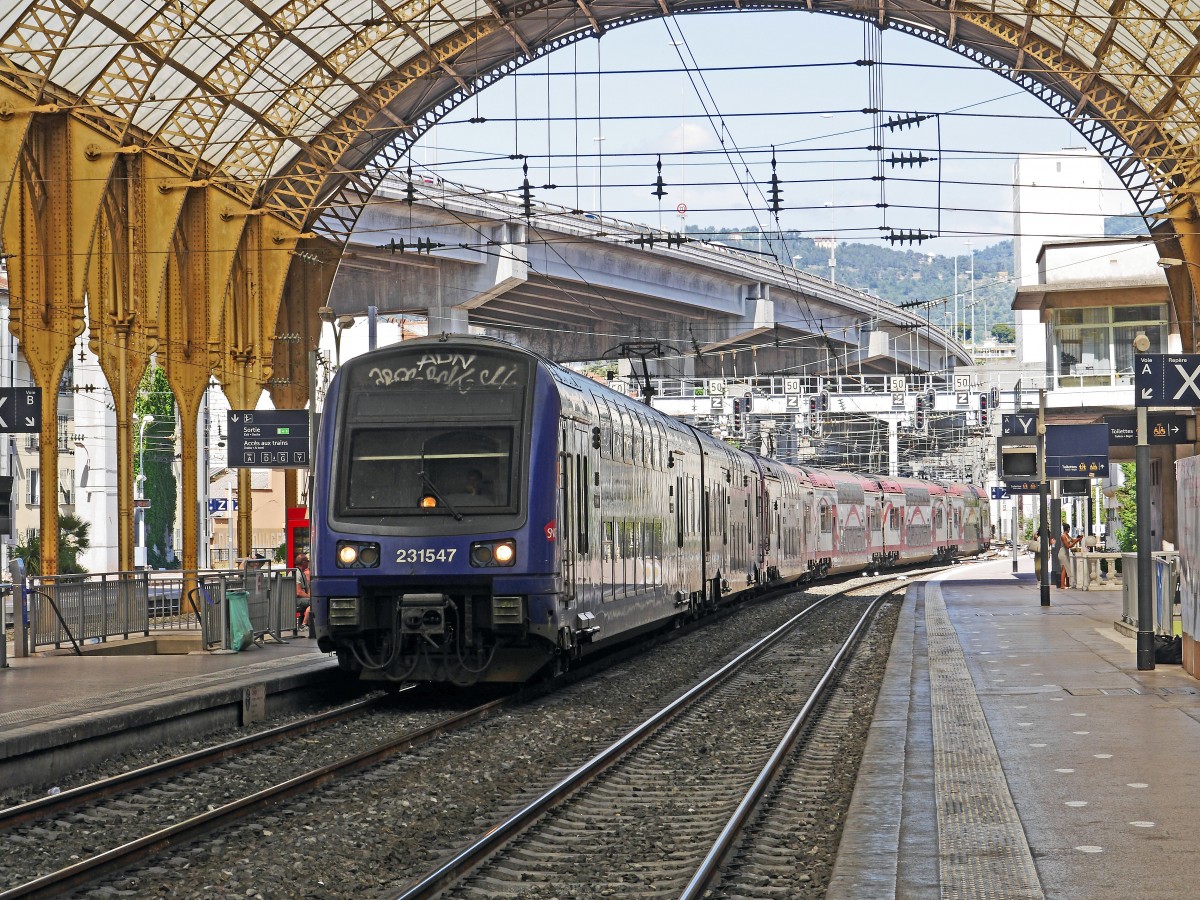
Mastering the European Rail Pass transforms a potentially complicated logistics puzzle into an empowering, flexible, and deeply rewarding adventure, solidifying the idea that the journey through Europe is as critically important and enjoyable as the final destination itself.
Successfully utilizing the pass requires an initial strategic choice between the comprehensive Global Pass, the focused One Country Pass, and the cost-effective Flexi Pass, ensuring the purchased option aligns perfectly with the intended frequency and scope of travel.
A critical layer of expertise involves understanding the financial dichotomy between the pass itself, which only covers the rail fare, and the mandatory, additional costs associated with reserving a physical seat on popular high-speed trains and essential overnight routes.
Savvy travelers optimize their Flexi Pass by adopting the “Hub and Spoke” method, consolidating long, expensive journeys into single Travel Days while reserving slower, cheaper regional routes for short, reservation-free day trips around a temporary base city.
The official mobile application is the indispensable modern tool for any rail adventurer, providing immediate, offline access to comprehensive timetables and real-time updates on delays or platform changes, effectively functioning as a pocket-sized conductor.
To maximize the cultural experience, travelers are encouraged to deliberately weave famous scenic routes into their itinerary, utilizing the spacious train environment as a dedicated time for quiet observation, reading, and soaking in the continent’s stunning, ever-shifting landscape.
Ultimately, the European Rail Pass is far more than a simple ticket; it is a meticulously planned freedom pass that, when used with strategic knowledge and preparedness, unlocks the continent, allowing the adventurer to confidently and comfortably embrace the timeless romance of transcontinental train travel.