
For generations, the structure of professional life has been rigidly defined by the fixed parameters of location, commuting schedules, and the physical presence within a traditional office environment, effectively separating the concept of a serious career from the adventurous pursuit of long-term global exploration, forcing professionals to choose definitively between stability and freedom.
However, driven by the rapid, unstoppable advance of cloud computing, high-speed global internet connectivity, and the dramatic organizational shifts accelerated by recent global events, the once-immutable geographical constraints governing where and how knowledge work is performed have dissolved almost entirely, fundamentally decoupling professional productivity from physical geography.
This technological and cultural liberation has ushered in the explosive era of Remote Work and Digital Nomadism, a transformative lifestyle movement where technology empowers individuals to maintain high-level, fulfilling careers while simultaneously embracing a life of perpetual travel, using the entire world as their dynamic, ever-changing office backdrop.
Embracing this nomadic existence, though profoundly appealing for the flexibility and adventure it offers, requires far more than just a laptop and a passport; it demands meticulous planning, disciplined time management across complex time zones, stringent adherence to complex visa and tax regulations, and a constant, vigilant focus on maintaining high professional performance despite the distractions of continuous movement.
Pillar 1: Defining the Digital Nomad Lifestyle
Understanding the difference between working remotely and true nomadism.
A. The Definition of Remote Work
Location flexibility within a fixed structure.
-
Fixed Employer: Remote work typically involves an individual working for a single, traditional employer or client base from a location outside the centralized office, often maintaining a fixed residence.
-
Stable Location: The primary characteristic is geographical flexibility (working from home or a local cafe) but the worker usually operates within the time zone of their employer and maintains a single tax residency.
-
Wider Adoption: This model is the most widely adopted form of location independence, used by millions globally who value work-life balance without the disruption of constant travel.
B. The Definition of Digital Nomadism
The mobile, entrepreneurial lifestyle.
-
Perpetual Travel: Digital Nomadism is defined by continuous, long-term, non-resident travel, where the professional moves between different countries every few weeks or months.
-
Diverse Income: Nomads often rely on diverse income streams—freelancing, running their own online business, or short-term contracts—requiring adaptability and entrepreneurial grit.
-
Global Mindset: This lifestyle demands an extreme level of organization and adaptability, as the nomad must constantly manage complex variables like visas, time zones, connectivity, and accommodation.
C. The Economic Drivers
Why businesses and individuals are embracing this model.
-
Cost Savings for Business: Companies reduce overhead expenses by minimizing office space, utilities, and employee services, leading to significant operational cost savings.
-
Talent Access: Remote work allows companies to recruit and retain the best global talent without geographical restrictions, significantly widening the potential talent pool.
-
Worker Satisfaction: For the individual, the lifestyle offers unparalleled freedom, cultural immersion, and improved work-life integration, often leading to reduced burnout and higher job satisfaction.
Pillar 2: The Core Logistical Challenges
Navigating the complex administrative and technical hurdles of constant movement.
A. The Visa and Legal Maze
Staying compliant with international law.
-
Tourist Visa Limitations: Nomads must be acutely aware that working on a standard tourist visa is strictly illegal in most countries, as it violates the terms of entry and can lead to deportation or future entry bans.
-
Digital Nomad Visas: The solution lies in the rise of specialized Digital Nomad Visas (DN Visas), offered by dozens of countries (e.g., Estonia, Portugal, Mexico) that grant legal temporary residency specifically for remote workers with foreign income.
-
Tax Residency Complexity: Managing tax obligations and residency requirements is the most complex logistical hurdle; tax liability often follows physical presence (the 183-day rule), requiring careful tracking to avoid double taxation or legal issues in multiple jurisdictions.
B. Connectivity and Infrastructure
Ensuring professional performance from anywhere.
-
Reliable High-Speed Internet: Access to fast, reliable internet is non-negotiable for maintaining professional performance, requiring nomads to thoroughly research local Wi-Fi speeds and 5G availability before booking lodging.
-
Power and Backup: A reliable portable power bank and a universal power adapter with surge protection are essential tools, mitigating the risk of power outages or socket incompatibility that could interrupt critical work.
-
The Mobile Hotspot: Utilizing a local SIM card with a generous data plan and a mobile hotspot serves as a vital professional backup, ensuring connectivity during unexpected Wi-Fi failures in cafes or apartments.
C. Health Insurance and Security
Protecting physical and digital assets globally.
-
Specialized Travel Health Insurance: Standard domestic health insurance rarely covers extended international travel; nomads require specialized global travel health insurance that includes emergency medical evacuation and treatment in multiple countries.
-
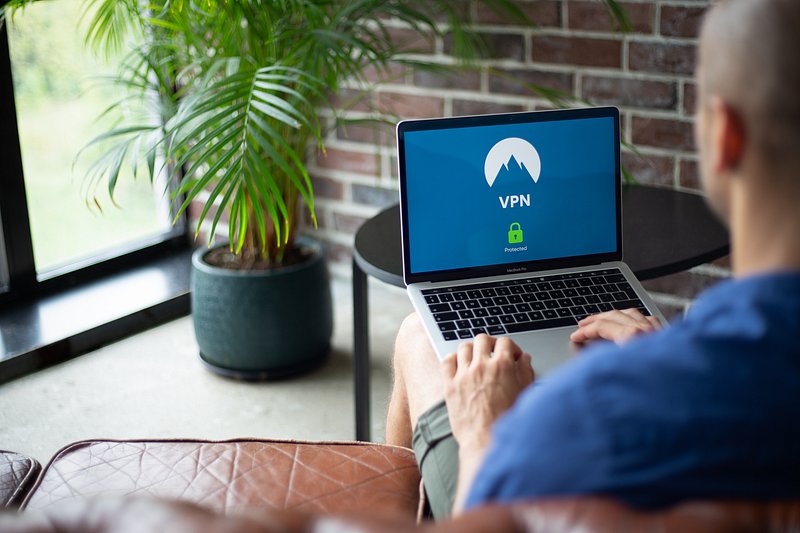
Digital Security (VPN): A Virtual Private Network (VPN) is absolutely mandatory for securing sensitive data and corporate communication over public or shared Wi-Fi networks, protecting against cyber threats.
-
Hardware Protection: Investing in durable, ruggedized electronic equipment (laptops, hard drives) and using cloud-based backups is crucial for protecting against physical damage or theft common during continuous transit.
Pillar 3: Productivity and Time Management Hacks
Maintaining high performance while embracing the adventure.
A. Mastering Time Zone Arbitrage
Working strategically across geographical divides.
-
The Core Hours Principle: Identify and commit to “Core Hours”—a fixed window of time (often early morning or late evening) when the nomad must be available for meetings or synchronous collaboration with their primary team back home.
-
Deep Work Scheduling: Schedule “Deep Work” blocks (for focused, creative, or complex tasks) during the destination’s optimal local hours, utilizing the difference in time zones to minimize external interruption.
-
Communication Protocol: Establish clear, upfront communication protocols with the employer and clients, detailing the time zone difference and defining the expected response times for asynchronous communication.
B. Creating the Nomadic Workspace
Turning temporary locations into professional hubs.
-
The Co-Working Solution: Utilize dedicated co-working spaces (like Selina, WeWork, or local alternatives) for structure, high-speed internet, ergonomic seating, and professional meeting environments, separating work from living spaces.
-
The “Workation” Setup: When working from temporary accommodation, prioritize ergonomics by using a portable laptop stand, external keyboard and mouse, and a high-quality noise-canceling headset to maintain a professional setup.
-
Vetting Location Noise: Before booking an apartment or hostel, read reviews specifically for noise levels and check the distance from major roads or construction sites; distractions severely impact productivity.
C. The Discipline of Separation
Preventing burnout from travel fatigue.
-
Schedule Time Off: Intentionally schedule and defend dedicated time off (even short blocks of 2-3 hours) for sightseeing, exploration, and cultural activities, preventing the blurring of lines that leads to burnout.
-
Define Boundaries: Set strict, clear boundaries for when work stops and travel begins; for instance, the laptop closes immediately after the Core Hours are complete, regardless of the to-do list length.
-
Pacing the Travel: Avoid the mistake of “fast travel” (moving every few days); commit to “slow travel” (staying one month or more in a location) to reduce travel fatigue and allow time for deep, focused work.
Pillar 4: The Social and Emotional Landscape
Managing the social challenges of continuous mobility.
A. Building Nomadic Community
Countering isolation on the road.
-
Co-Living Spaces: Stay in co-living spaces or hostels specifically designed for nomads; these environments provide immediate community, networking opportunities, and built-in social structures.
-
Digital Meetup Groups: Actively join local digital nomad and expat groups on social media (Facebook, Telegram) to find organized meetups, co-working sessions, and weekend trips in the current city.
-
Local Skill Exchange: Attend local workshops, language exchange events, or sports clubs to meet locals and engage in cultural exchange beyond the confines of the nomad community.
B. Maintaining Long-Distance Relationships
Nurturing connections back home.
-
Scheduled Video Calls: Commit to regular, pre-scheduled video calls with family and close friends, using time zone arbitrage to find a mutually convenient time for genuine face-to-face interaction.
-
Digital Reminders: Use digital tools to track important dates and milestones (birthdays, anniversaries) back home, sending timely gifts or personalized messages to maintain engagement despite the distance.
-
Plan Return Visits: Budget and schedule return visits home at least once or twice a year; maintaining physical presence is vital for nurturing core, long-term relationships.
C. Mental Health and Grounding
Coping with continuous change and uncertainty.
-
Establish Routine: Despite the changing location, maintain fixed daily personal routines (e.g., morning coffee ritual, daily exercise, reading time); routine creates psychological stability amidst physical chaos.
-
Finding Familiarity: Seek out small, familiar anchors in each new city—like a certain type of cafe, a global gym chain, or a familiar grocery store—to ease the psychological stress of constant newness.
-
Therapeutic Support: Utilize online therapy or coaching services to maintain mental and emotional well-being; reliable, remote access to professional support is essential for managing the inherent loneliness and stress of the nomadic life.
Pillar 5: Future Trends in Nomadic Infrastructure
The systems evolving to support the mobile workforce.
A. The Evolution of Digital Nomad Visas
Towards standardized, regional movement.
-
Regional Agreements: Future trends point toward regional digital nomad agreements (e.g., within the EU or Southeast Asia) that allow for easier movement across borders within a defined zone without complex re-application processes.
-
Specialized Nomad Taxation: Governments are starting to develop simplified, specialized tax regimes for long-term remote workers that acknowledge their unique, non-resident status and prevent double taxation issues.
-
Nomad-Specific Ports: The emergence of nomad-specific airports or hubs offering integrated services (co-working lounges, DN Visa application support, specialized security lines) could further streamline transit for this population.
B. The Rise of “Work-Friendly” Tourism
Destinations catering to the working traveler.
-
Integrated Accommodation: Hotels and apartment complexes are increasingly designing rooms with dedicated, ergonomic work zones—not just a small desk, but integrated lighting, external monitors, and high-speed, private Wi-Fi networks.
-
Local Partner Programs: Tourism boards are developing local partnership programs that connect nomads with local service providers—accountants, doctors, reliable house cleaners—essential for long-term, functional living.
-
The “Workation” Package: Travel operators are creating all-inclusive “workation” packages that bundle accommodation, fast Wi-Fi, co-working access, and structured social activities, catering to corporate teams seeking remote retreats.
C. Technology for Seamless Integration
AI and automation simplifying logistics.
-
AI Itinerary Management: AI-powered tools will manage the complex variables of the nomadic life—automatically suggesting the next visa-compliant destination based on tax residency rules, current flight prices, and preferred weather.
-
Global Identity Management: Blockchain and digital identity solutions promise a future where border control and document verification are instant and seamless, relying on a single, secure digital identity that verifies professional and legal status.
-
Automated Compliance: Future software will provide real-time tax and visa compliance alerts, warning the nomad when they are approaching the 183-day limit in a country or when tax filing deadlines are approaching in their home jurisdiction.
Conclusion: Freedom Built on Discipline

The digital nomad lifestyle, though symbolizing the ultimate professional freedom and a permanent break from geographical constraint, is ultimately sustained not by sheer luck or wanderlust, but by an unwavering foundation of meticulous planning and exceptional personal discipline.
The most critical initial hurdle is navigating the complex legal maze, demanding that the aspiring nomad secure appropriate Digital Nomad Visas and maintain vigilant tracking of time spent in each country to correctly manage intricate global tax residency obligations.
Professional performance hinges on technical preparedness, requiring investment in secure VPN technology and reliable power backups, coupled with a commitment to thoroughly vetting connectivity infrastructure before settling into any new temporary workspace.
To conquer the challenge of time zone arbitrage, the nomad must establish strict “Core Hours” for synchronous communication with their team, scheduling focused “Deep Work” during the destination’s quiet periods to maximize productivity and minimize disruption.
Combating the inherent loneliness of perpetual movement requires intentional social strategies, including actively seeking out co-working and co-living spaces and utilizing specialized digital groups to build a necessary, supportive, and fluid community of fellow travelers.
The long-term sustainability of the nomadic life relies on prioritizing mental and emotional health, demanding the creation of stable daily routines and clear boundaries that separate dedicated work time from the exhilarating, yet exhausting, demands of continuous cultural exploration.
Ultimately, the successful digital nomad has transformed a daring aspiration into a sustainable career, proving that the true secret to this lifestyle is harnessing technology to deliver professional consistency while cultivating the immense personal flexibility required to thrive in a constantly changing world.